
TECHNOLOGY
A multi-layered molecular portrait
Five molecular fingerprinting technologies · genomic foundation · AI integration
Electric-field Molecular
Fingerprinting
-
Unlike conventional spectroscopy, it captures the full electric-field signature of biomolecules, revealing subtle biochemical changes that remain invisible to standard laboratory tests
This approach generates a comprehensive molecular profile of an individual and enables detection of early deviations long before clinical symptoms appear. By building a longitudinal molecular fingerprint for each person, the technology opens the way to truly predictive, personalized health monitoring and earlier intervention in chronic disease development
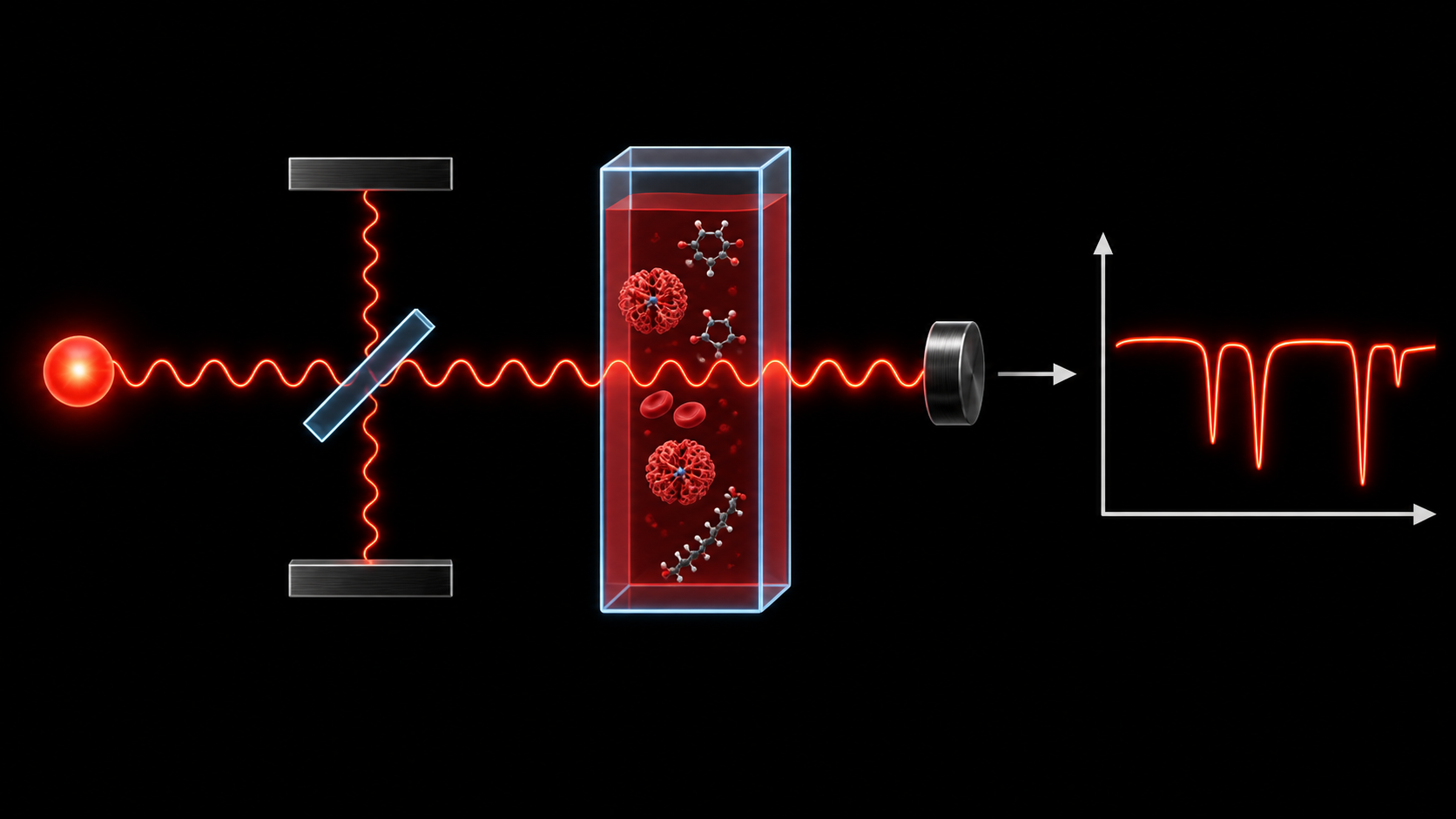
Fourier Transform Infrared Spectroscopy
-
It produces a stable and highly individual molecular signature while maintaining low variability within the same person over time. This makes it particularly powerful for tracking subtle physiological changes before symptoms emerge
By enabling consistent longitudinal monitoring across large cohorts, the technology supports early detection strategies and provides a scalable foundation for proactive, data-driven health management
Proteomics

-
Beyond protein abundance, it captures changes in protein structure, post-translational modifications, and interaction patterns—providing insight into how biological systems actively function and respond to stress or disease
Because proteins are the primary executors of physiological processes, proteomic profiling connects molecular signals to underlying disease mechanisms. This enables earlier detection of pathological shifts and supports the development of targeted, mechanism-based interventions
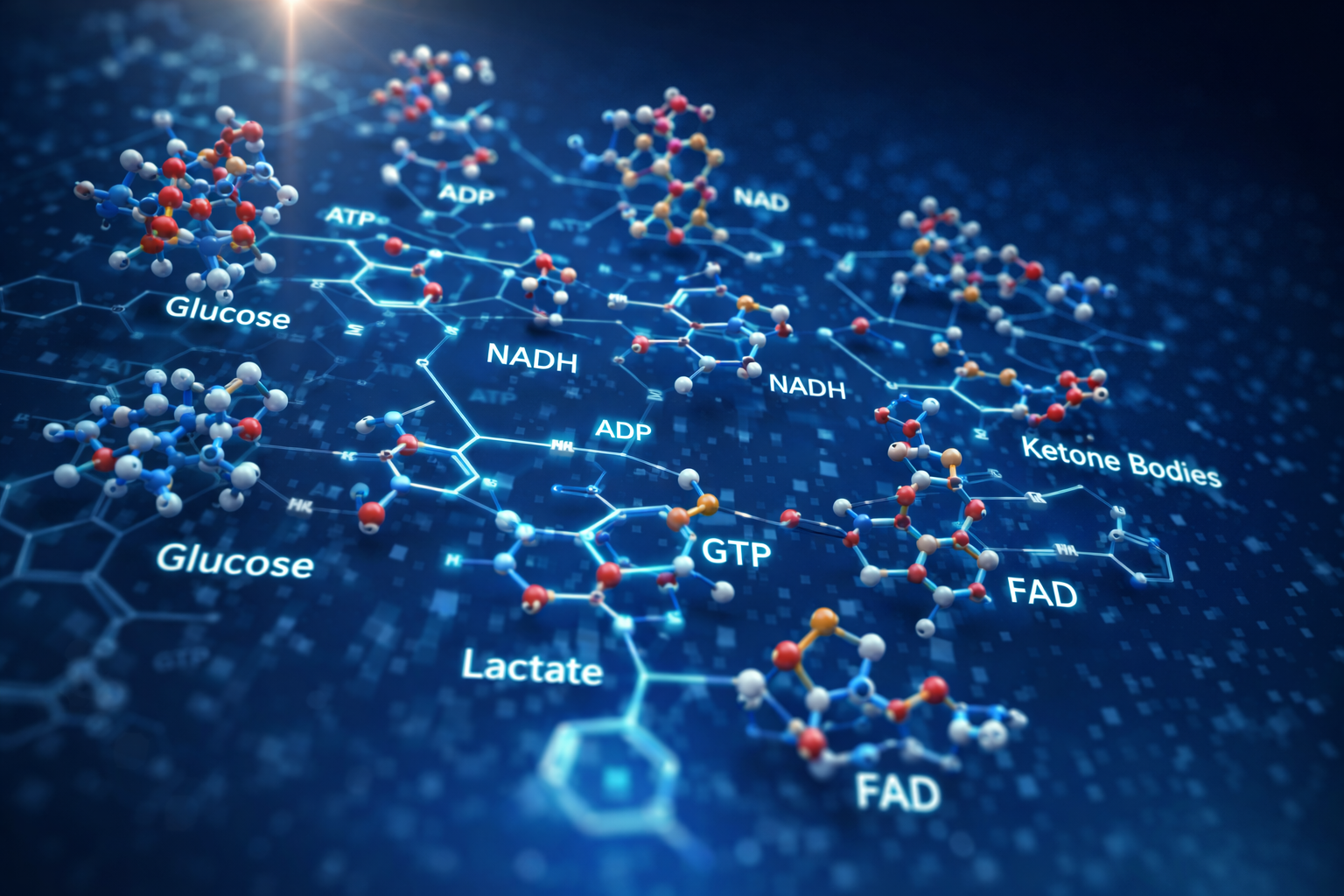
Metabolomics
-
These metabolites represent the downstream outcome of gene expression, protein activity, nutrition, microbiome interactions, and environmental exposure — providing a real-time snapshot of systemic physiology
When combined with spectroscopic molecular fingerprints and proteomic profiles, metabolomics adds dynamic functional resolution, enabling earlier recognition of metabolic shifts that precede clinically detectable disease
-
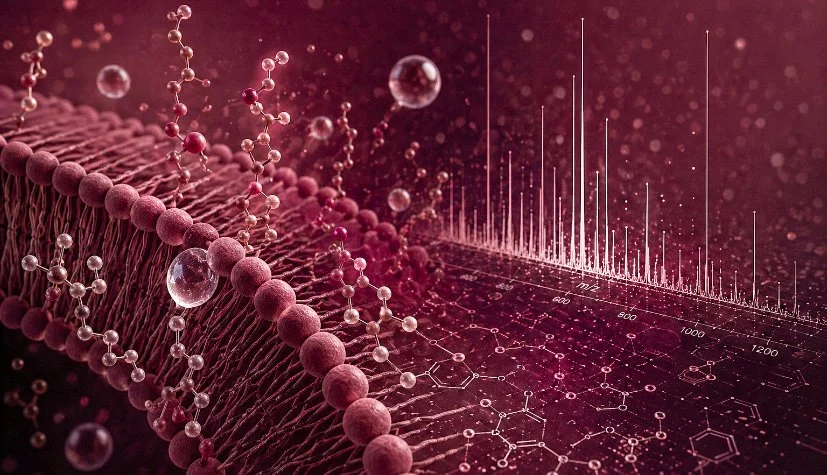
Subtle changes in lipid composition often occur at the earliest stages of cardiometabolic and neurodegenerative disorders, long before conventional biomarkers become abnormal
Integrated with proteomic and metabolomic datasets, lipidomics refines the molecular signature of risk and strengthens the sensitivity of longitudinal deviation detection within the multi-layered profiling strategy
Lipidomics
Genomics
-
By profiling millions of genetic variants across all chromosomes, genomic data provides the stable biological foundation against which longitudinal molecular changes are interpreted.
Unlike other omics layers, the genome is fixed — making it the anchor of the multi-omics profile. Polygenic risk scores across cardiovascular, metabolic, oncological, and neurodegenerative conditions contextualise dynamic molecular deviations, helping distinguish genetically predisposed disease trajectories from environmentally driven risk signals.
AI / Data science
-
Advanced machine learning models quantify individual baseline variability, detect subtle multidimensional deviations over time, and distinguish normal aging trajectories from emerging pathological patterns
By linking molecular signals across technologies and timepoints, data-driven modeling transforms high-dimensional measurements into actionable, individualized risk insights—forming the computational backbone of the early detection platform